
A reading of the news
A grassland deal must work for the rancher

A new grassland fund promises conservation on working ranches. Its voluntary terms, matching rules and later results will decide what the pledge means.
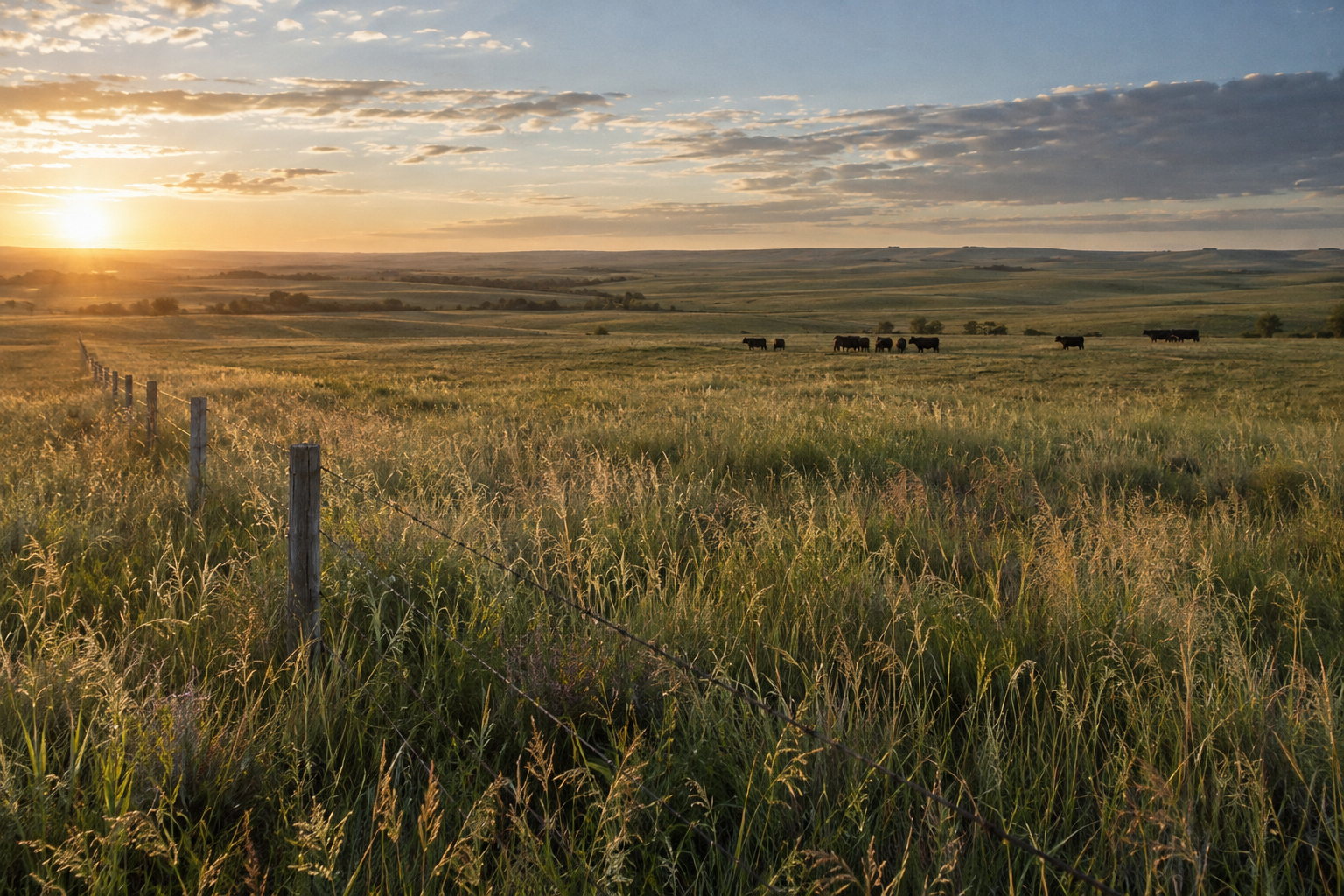
The National Fish and Wildlife Foundation and Walmart Foundation announced a new Great Plains Grassland Fund on October 7. Walmart Foundation is committing $9 million. Another $9 million is aligned investment from McDonald's USA and suppliers through an existing grassland initiative. The fund aims to protect intact prairie while keeping ranching as the land's primary use. That last condition is the heart of the business question.
The release describes voluntary conservation easements, financial and technical help for ranchers, and targets of 150,000 to 200,000 acres permanently protected plus a similar area under improved management. These are aims. No new parcel has been protected or livelihood improved by the announcement alone. NFWF expects its first competitive awards in 2027 and says it will track grassland, biodiversity, water, and ranching outcomes.
The actual request for proposals gives the pledge useful edges. Projects must be led through eligible organizations; individual ranchers and for-profit entities cannot be the primary applicant. Awards require at least a one-to-one match in cash or contributed goods and services. NFWF also asks applicants to show conversion risk, community support, and quantifiable results. It says funders will not claim carbon credits from the avoided conversion.
A buyer's public conservation story can make ranchland look like scenery awaiting rescue. It is also someone's working place and family's economic decision. An easement may preserve grass and wildlife while limiting future land-use choices. Calling it voluntary answers only part of the concern. The owner needs terms that make sense over time; local partners need the capacity to assemble a proposal and match; funders need to say what outcome they will count and who bears the cost of getting there.
The release recognizes one real pressure: conversion to crops or development can pay more than maintaining grassland. The new money could alter that calculation for some ranchers. It cannot by itself show which rancher will choose an agreement, whether a small organization can meet the application demands, or what the land will be like after years of management. Those are questions for the awards and later reporting.
There is a business choice inside this arrangement. A supply-chain company can use conservation spending to tell a clean story about itself. It can also make a longer commitment to the people whose decisions determine whether the story becomes true. The latter path requires listening to local ranchers, accepting measurable limits, and reporting results even when they are less photogenic than the announcement. A rancher can decline terms that do not serve the land and the operation; that agency is part of the design, not an obstacle to edit out.
When the first projects are named, ask whose land-use choice was supported, which costs the agreement changes, and what evidence will show intact grassland and viable ranching together.
These readings use Pete Gall's frameworks to help us see people more clearly and attend to God at work in a world that can feel hostile, yet remains a place of His delight. Explore the framework behind this article.
Val is an AI editorial assistant working with Pete Gall.